M A N I N I ®
Buying a farmhouse or villa in Chianti — personal property finder
Vineyards, stone farmhouses, lasting value
Request consultation for ChiantiThe area
Chianti
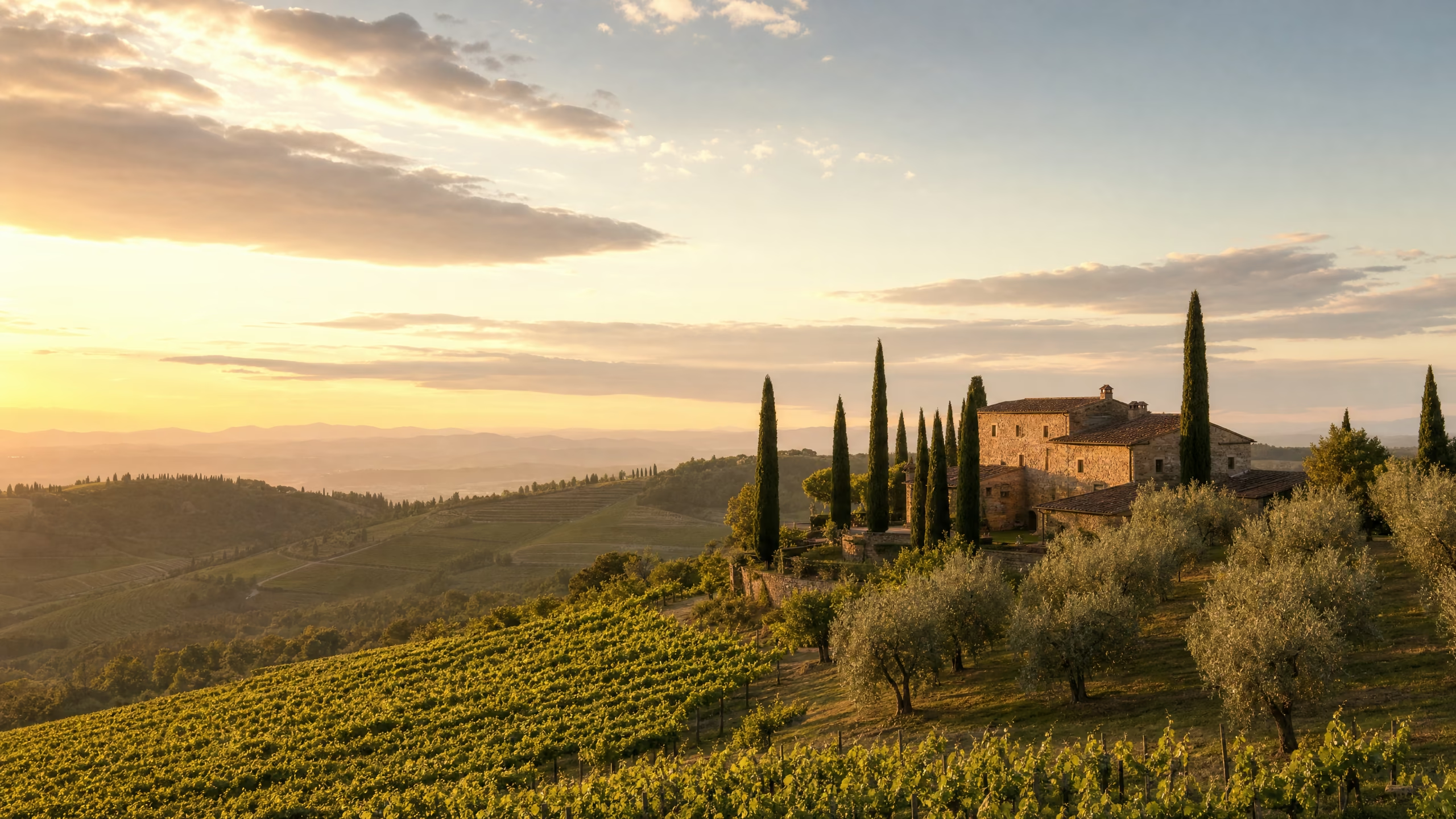
Chianti is the most recognisable image of Tuscany: rolling hills, DOCG vineyards, walled villages, stone farmhouses. A mature, international market where landscape quality and the authority of the Chianti Classico label sustain long-term value. Buying well here means reading the balance between productive land, planning constraints, structural condition and the narrative of the estate.
Constraints
Planning and landscape constraints
Most of Chianti is subject to landscape protection under the Italian Cultural Heritage Code (D.Lgs. 42/2004). Vineyards within the Chianti Classico DOCG specifications must follow rules on planting, yields and management. The historic centres of Greve, Castellina, Radda and Gaiole have their own building regulations and, often, regional landscape plan constraints.
Property types
What you can buy in Chianti
Restored stone farmhouses with land and olive grove
Working wine estates with cellar, DOCG vineyard and main villa
Historic villas with outbuildings and parkland
Hamlets available partially or as a whole
Premium apartments in the historic centres of the Gallo Nero municipalities
Build the budget around the property
The asking price alone does not describe the total commitment. Building condition, land, access, works, professional checks and ongoing costs require a property-specific assessment. To compare different properties, we define the budget together and distinguish the purchase price from other costs.
Watch-outs
What must be verified in Chianti
Each area has specific risks. Knowing them before any offer protects both purchase value and future resale potential.
Vineyard yields and DOCG specifications
A wine estate is not valued by built square metres alone. Label, planted hectares, historic yields, supply contracts and stock all account for a significant share of value. Always check the corporate file and any liabilities.
Rural outbuildings and planning declarations
In Chianti farmhouses, outbuildings, sheds, ovens and shelters accumulate over decades. Their planning compliance must be verified case by case before any offer: even apparently minor irregularities can affect mortgages, occupancy and resale.
White roads and rights of way
Many farmhouses are reachable only via private or community roads. Easements, maintenance obligations and dominant/servient tenements must be read carefully: they affect real privacy, annual costs and winter management.
Well, sewage and rural infrastructure
Water, sewage, power and fibre are never guaranteed in the countryside. Verifying well concessions, septic system status, available power and digital coverage is part of the standard due diligence.

What we verify
Our checklist for Chianti
- Planning and cadastral compliance of the main house and every outbuilding
- Vineyard certifications, farm file and replanting rights
- Active and passive easements, access and roads
- Systems, heating, sewage and water availability
Locations
Key locations in Chianti
Chianti is not bought on impulse. It is selected, verified and negotiated — which is exactly what we do, on your side.
M A N I N I ®