M A N I N I ®
Buying an estate in Maremma — personal property finder
Wild coast, nature parks, wide open spaces
Request consultation for MaremmaThe area
Maremma
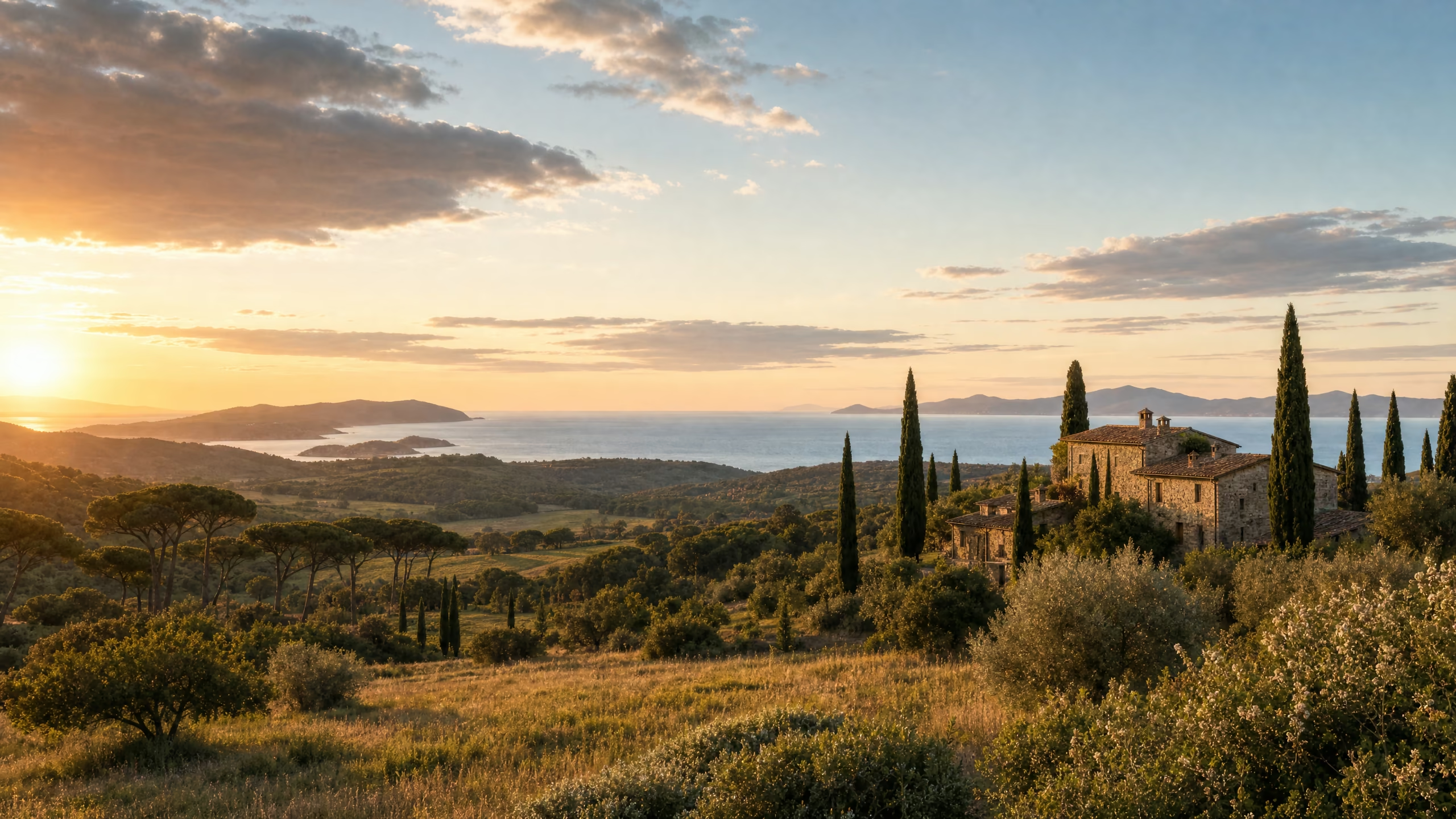
Maremma is the Tuscany that stays wild: nature parks (Maremma and Uccellina), wide surfaces, a still little-urbanised coast, historic agriturismi. A less homogeneous market than Chianti: the strip between Capalbio and Magliano is premium and international, the inland (Manciano, Pitigliano) is more accessible, and the coast has strong seasonal dynamics.
Constraints
Planning and landscape constraints
Extensive landscape protection, especially within the Maremma Regional Park, the Uccellina park and protected coastal areas. Production zones of Morellino di Scansano DOCG. Archaeological constraints in the Etruscan areas (Vulci, Vetulonia, Pitigliano). Distances from services can be significant inland.
Property types
What you can buy in Maremma
Estates with main house, olive grove and outbuildings (Capalbio, Magliano)
Inland farmhouses with large land plots
Seafront villas in Castiglione della Pescaia, Punta Ala
Etruscan-era villages and farms (Pitigliano area)
Working agriturismi with hospitality licenses
Build the budget around the property
The asking price alone does not describe the total commitment. Building condition, land, access, works, professional checks and ongoing costs require a property-specific assessment. To compare different properties, we define the budget together and distinguish the purchase price from other costs.
Watch-outs
What must be verified in Maremma
Each area has specific risks. Knowing them before any offer protects both purchase value and future resale potential.
Nature parks and protected zones
A property 'within' or 'bordering' a park has specific constraints on new builds, fencing, paths and vegetation cutting. The park regulation must be verified before any offer.
Agriturismo licenses and hospitality
For working agriturismi, verify the license, authorised beds, the minimum hectares required by Tuscan law, seasonal employment contracts and any debts. A lapsed license is worth far less than an active one.
Archaeological constraints (Etruscan Maremma)
Inland (Pitigliano, Sorano, Vulci area) archaeological constraints can limit excavations, pools and foundations. Verification with the Heritage Authority is a step, not a contingency.
Seasonality and wild boars
Maremma off-season is alive but different: reduced services, some demanding roads, significant presence of wild boars and wildlife. Fencing, maintenance and land management require real budgets.

What we verify
Our checklist for Maremma
- Status of landscape constraints and park regulations
- Agriturismo license, authorisations and minimum farming quotas
- Preliminary archaeological verification for excavations and pools
- Fencing maintenance, access roads and wildlife management
Locations
Key locations in Maremma
Maremma is not Chianti. It is freer, larger, less media-driven. Buying well here means choosing the right sub-segment: coast, inland or agriturismo each require different analysis.
M A N I N I ®
Other areas